
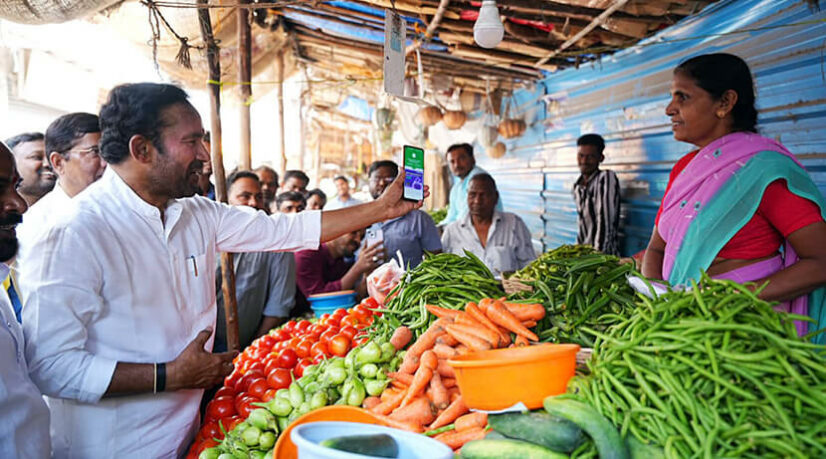
India wants its real-time payments rails to travel. Unified Payments Interface (UPI) now connects to Singapore’s PayNow and is live in tourist corridors from France to the Indian Ocean. New partnerships, including a BIS-backed hub and talks with Alipay+, aim to widen reach by 2026. The question is whether policy, security, and business incentives align for scale. ()
What UPI is—and why it matters
UPI is India’s instant, 24×7 bank-to-bank payment network. It lets users move money with a simple “virtual payment address” or by scanning a QR code. NPCI International (NIPL) exports this model through tie-ups that enable acceptance abroad or build similar rails in partner countries. ()
The links already in place
Three milestones stand out. First, the UPI–PayNow linkage delivers low-cost, real-time transfers between India and Singapore. Second, UPI went live in Sri Lanka and Mauritius in February 2024, alongside RuPay in Mauritius. Third, France began acceptance at the Eiffel Tower, with roll-out to more merchants via local processors. These pipes target tourism, remittances, and small merchants first. ()
The 2026 push: hubs, Japan and possibly Alipay+
Scale now hinges on networks of networks. Under BIS Project Nexus, India, Singapore, Malaysia, Thailand and the Philippines are building a shared platform to link national instant-payment systems by 2026. Separately, NIPL has an MoU to enable UPI acceptance in Japan. India is also in talks to connect UPI with Alipay+, which could open acceptance across many markets that already support that wallet family—subject to security and policy review. ()
Where you can already use UPI—and what that means
Acceptance is expanding, but it is not universal. Live corridors highlighted by NIPL and official partners include Singapore, the UAE, Nepal, Bhutan, France, Sri Lanka and Mauritius, with coverage limited to participating banks and merchants. For travelers, this means QR-based payments or account-to-account transfers at select locations, often with better transparency on fees. ()
The business case for merchants and banks
Why would a foreign merchant take UPI? Lower acceptance costs than cards in some setups, faster settlement, and access to a large Indian traveler base. Banks and processors gain new cross-border volumes and remittance flows. However, they must handle FX conversion, refund flows, dispute processes, and compliance (KYC/AML) across two regimes. ()
Frictions that could slow the global play
Three risks loom. First, regulatory alignment: data, privacy, and licensing rules differ by market. The EU’s payments and AI rules, for instance, add compliance layers for fintechs and data flows. Second, geopolitics and security: any link to Chinese-origin networks faces additional scrutiny in India. Third, user experience at scale: consistent QR standards, offline fallbacks, and clear FX rates matter for trust. ()
Remittances and NRIs: a near-term sweet spot
Cross-border person-to-person transfers are ripening first. PayNow–UPI routes enable instant remittances between Singapore and India. Indian banks are also enabling UPI use with international mobile numbers for NRIs in select countries, reducing friction for visitors and expatriates. These steps grow volumes even before full merchant ubiquity. ()
What success would look like in 2026–27
Two outcomes would signal real traction. One, live Nexus corridors where a traveler can pay from any linked instant-payment app with transparent FX and receipts. Two, broad UPI acceptance in at least two major tourism markets beyond early pilots—Japan being a test case after the NTT tie-up. If Alipay+ integration passes policy checks, coverage could jump quickly across its merchant base. ()
A quick glossary for new readers
- UPI: India’s real-time account-to-account payment system.
- NIPL: NPCI’s international arm that forges acceptance and builds UPI-like rails abroad.
- Project Nexus: A BIS initiative to interconnect national instant-payment systems for cross-border transfers.
- QR acceptance: Paying a merchant by scanning a standardized code that encodes payment details.
India’s model is spreading through practical, bilateral pipes, not a single global switch. The next year will test whether hubs like Nexus, country deals from Japan to the Indian Ocean, and potential Alipay+ links can turn dozens of pilots into everyday payments for travelers, migrants, and small businesses. If policy keeps pace with engineering, UPI’s expansion abroad can move from showcase moments to routine use.