
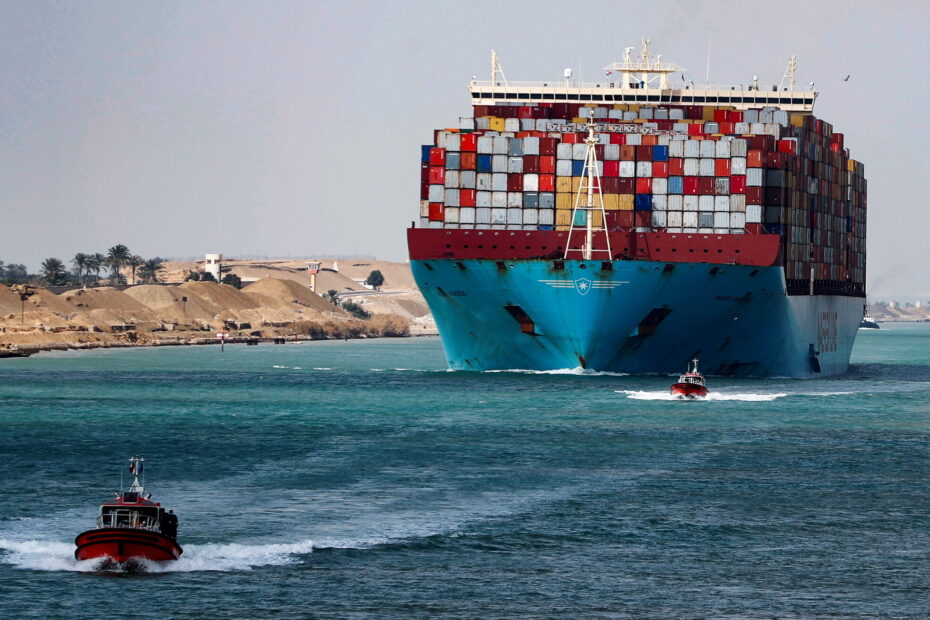
Attacks on merchant vessels near the Bab el-Mandeb strait have unsettled a vital trade lane between Asia and Europe. Carriers have diverted ships away from the Red Sea and Suez. Voyages now loop around the Cape of Good Hope. The change stretches schedules and budgets. It also exposes weak points in procurement and inventory planning across Asian factories and retailers.
What happened and why it matters
The Red Sea links the Indian Ocean to the Mediterranean through Suez. When risk rises, shipping firms shift routes to protect crews and assets. Asia depends on this corridor for exports of electronics, machinery, textiles, chemicals, and auto parts. Disruptions ripple through suppliers, freight forwarders, and final buyers. Insurance firms raise war-risk premiums. Ports rework berthing windows. Retailers face uneven stock flow. A single chokepoint now shapes decisions from Shenzhen to Stuttgart.
Reroutes add time and money
A Cape detour increases sailing distance and fuel burn. “Bunker fuel” is the oil used to power ships; higher consumption lifts voyage costs. Transit extensions compress available capacity because each ship completes fewer round trips. Spot rates, the one-off prices paid for immediate cargo space, rise when space tightens. Schedules also suffer from “blank sailings,” which are canceled departures used by carriers to rebalance fleets. Warehouses must hold more safety stock to cover the longer lead time. Buyers accept later deliveries or pay for faster modes.
Ports and factories in Asia feel the strain
Asian export hubs see bunching when delayed services arrive together. Terminal yards fill, then empty, in irregular waves. Trucking and feeder networks struggle to match this rhythm. Manufacturers that run just-in-time production confront parts gaps. Some plants swap to alternative components or tweak build sequences. Apparel and footwear brands pull forward orders to protect seasonal launches. Chemical producers shift distribution from Europe toward Middle East or African customers when it helps keep plants loaded. Each fix solves one problem but can create new bottlenecks downstream.
Winners and pressure points
Air cargo gains when shippers switch urgent freight to the skies. Belly capacity in passenger jets helps on Asia–Europe lanes during peak travel. Rail services that connect China to Europe via Central Asia offer a niche alternative for higher-value goods. Meanwhile, container lines face higher operating costs but tighter capacity can support their yields. Oil markets watch longer voyages because they affect tanker availability and refinery runs. Insurers carry more risk exposure. Port authorities from Singapore to Jebel Ali work to smooth transshipment surges. The picture shifts week by week as carriers rotate vessels and adjust strings.
How companies are adapting
Firms diversify both routes and suppliers. Dual sourcing reduces reliance on a single country or plant. Flexible contracts matter again. Incoterms are the standard trade terms that define who pays and manages each leg of a shipment; buyers are revisiting these clauses to share risk more clearly. Procurement teams map sub-tier suppliers to spot hidden exposures. Inventory buffers grow modestly for critical inputs. Many shippers build split-mode plans that combine sea, rail, and air for different SKUs. Data discipline improves: teams track lead-time variance, container dwell time, and on-time vessel arrival to steer daily operations.
Red Sea shipping outlook and risk signals
The path ahead depends on maritime security and carrier behavior. Companies should monitor three sets of indicators. First, routing choices by major alliances reveal how long detours may persist. Second, freight benchmarks and war-risk premiums show whether costs are easing. Third, port congestion metrics in Asia and key transshipment hubs signal the state of the queue. Clear contingency playbooks help: pre-approved carriers, alternate ports, and rapid mode-shift thresholds. Strong communication with customers protects trust when timelines slip. In short, the Red Sea remains a live risk, but disciplined logistics and smarter sourcing can keep Asian supply chains moving.