
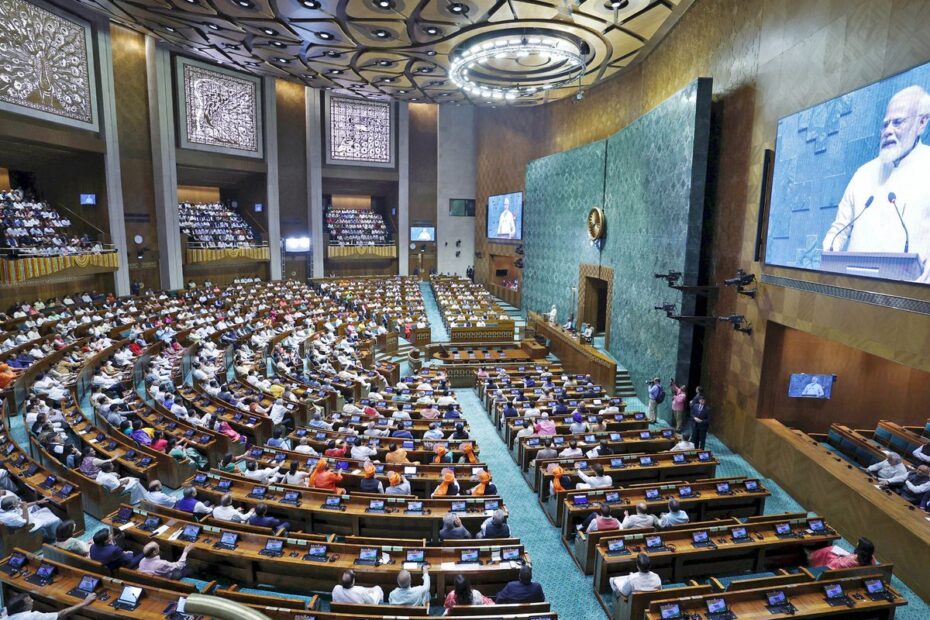
The Parliament Budget Session 2026 begins under pressure at home and in markets. A rare Sunday budget stirred volatility, while parties ready sharp lines on spending, jobs and federal funds. The government seeks continuity; the opposition demands course correction. The tone set this week will shape the fiscal debate and the political calendar.
A charged start and a tight clock
Droupadi Murmu opened the session with a joint address to the Lok Sabha and the Rajya Sabha. The Economic Survey was tabled on January 29, and the Union Budget was presented on February 1. The House set 18 hours for the Motion of Thanks debate. Prime Minister is slated to reply on February 4. A “Motion of Thanks” is a debate on the President’s Address that lets MPs test the government’s agenda.
Fiscal path vs politics
Finance Minister Nirmala Sitharaman laid out a gradual consolidation path alongside record borrowing. Ratings watchers called the plan “tactical” rather than a breakthrough. The opposition brands it visionless and tilted to big business. Expect heated exchanges over the deficit glide path and the size of market borrowings.
Jobs, prices and farm demands rise to the top
Leader of the Opposition Rahul Gandhi has flagged youth unemployment and rural distress. Farm unions want legal MSP clarity and targeted input relief. Early reactions from states and farmer groups show frustration over the absence of bold steps on incomes and rural demand. These themes will dominate the Budget debate and any amendments. (MSP is a government-set floor price intended to protect farm incomes.)
Federal funds and the states’ pushback
Regional parties say welfare and state priorities were underfunded. They also warn of strain from centrally designed schemes that require state co-financing. Watch amendments and floor protests over tax devolution shares, scheme outlays, and project allocations. This is a classic centre–state friction point in any tight budget year.
Market signals enter the debate
Bond yields climbed toward one-year highs and the rupee wobbled after the Budget, before stabilising on likely RBI action. Lawmakers will cite these moves to argue over borrowing costs and inflation risks. A basis point equals one-hundredth of a percentage point; small moves add up fast for government interest bills. The Reserve Bank of India has advanced bond purchases and used FX swaps to smooth liquidity—another talking point as MPs weigh growth versus stability.
Security, disruptions and narrative battles
Expect sharp interventions and procedural tussles during the Motion of Thanks. References to national-security controversies have already triggered sparring on the floor. Management of disruptions—and whether the Treasury benches engage or deflect—will shape public perception of the session.
Key dates and what to track next
Watch three markers. First, the Prime Minister’s reply on February 4, which frames the government’s case for the year. Second, the detailed borrowing and auction calendar, crucial for banks and state finances. Third, any welfare tweaks or rural demand measures that can pass fast. Clear signals on these fronts could steady markets and defuse flashpoints; silence could harden positions on both sides.
In short, Parliament Budget Session 2026 will test the balance between fiscal discipline and social priorities. The political contest is intense, yet the space for deals remains. The next 72 hours will show whether parties choose compromise—or a protracted fight that spills into the legislative queue.