
India’s new budget sparked a sharp market reaction. The rupee hovered near 92 per U.S. dollar before rebounding on suspected central bank support. The 10-year government bond yield climbed to about 6.77%, its highest since March 2025. Investors read the signals as heavy borrowing, slower fiscal consolidation, and a tougher global backdrop.
Markets flinch after the Budget
A rare Sunday budget session on 1 February 2026 set the tone. Equities fell on the day, while currency traders kept one eye on possible intervention. One-month non-deliverable forwards (NDFs)—offshore rupee contracts settled in dollars—implied an opening near 91.94–91.99 per dollar. On Monday the rupee rallied to ~91.51 after likely dollar sales via state-run banks. Meanwhile, benchmark yields jumped eight basis points (a basis point is one-hundredth of a percentage point).
India Budget 2026: what drives the nerves
The budget sets gross market borrowing at a record ₹17.2 lakh crore for FY27, above many expectations. A larger bond supply usually demands a higher yield to clear the market. At the same time, foreign investors have been net sellers of Indian equities since 2025, which adds pressure on the rupee. Put together, funding needs and outflows create a fragile mix for both the currency and the curve.
Borrowing math and bond supply
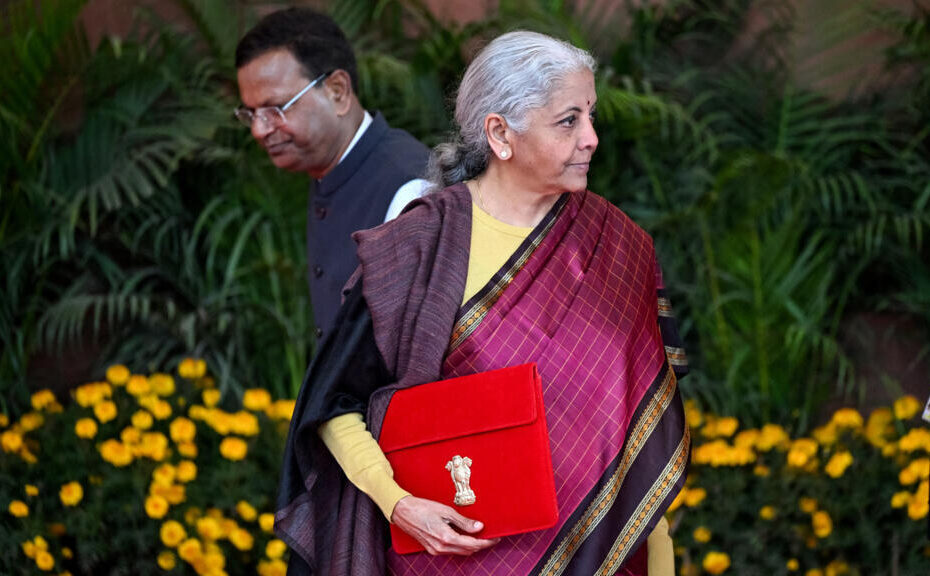
Finance Minister Nirmala Sitharaman outlined plans that keep consolidation gradual: a central deficit target near 4.3% of GDP and a debt-to-GDP path around 55–56%. This stance supports growth yet tightens the balance for bond investors coping with larger issuance. The 10-year yield traded near 6.77% as desks priced in the heavier calendar and a modest term premium.
RBI steps in, without fixing a line in the sand
The Reserve Bank of India acted as a stabilizer. Traders pointed to likely dollar sales and FX buy/sell swaps—operations that inject or drain rupee liquidity—to smooth volatility. The central bank does not defend a fixed level; it leans against disorderly moves that could impair credit transmission. Monday’s bounce in the rupee, alongside a rebound in the BSE Sensex and Nifty 50, showed that backstop at work, even as bond yields stayed elevated.
Ratings agencies flag a slower consolidation path
External watchers called the budget “broadly neutral” for growth but slower on deficit reduction. Fitch Ratings highlighted the 4.3% target and gradual improvement. S&P Global and Moody’s Ratings struck similar notes, warning that large borrowings can lift yields toward one-year highs. These views reinforce the market narrative: supply is heavy, demand will need a price incentive.
Why this matters for investors
Two indicators anchor financing conditions. The “10-year yield” is the reference cost for long-term rupee borrowing across the economy. The “rupee–dollar rate” sets import costs and shapes inflation risks. If issuance stays heavy and global risk remains shaky, India may face a period of firm yields and a sensitive currency. However, smoother auction schedules, steady local demand, and measured central-bank operations could cap volatility. For now, India Budget 2026 puts execution and market management at center stage.
Finally, watch three levers in the coming weeks: the detailed auction calendar, foreign flow trends, and the RBI’s liquidity stance. Clear signals on all three will decide whether the rupee stabilizes above recent lows and whether the 10-year holds below 7%.