
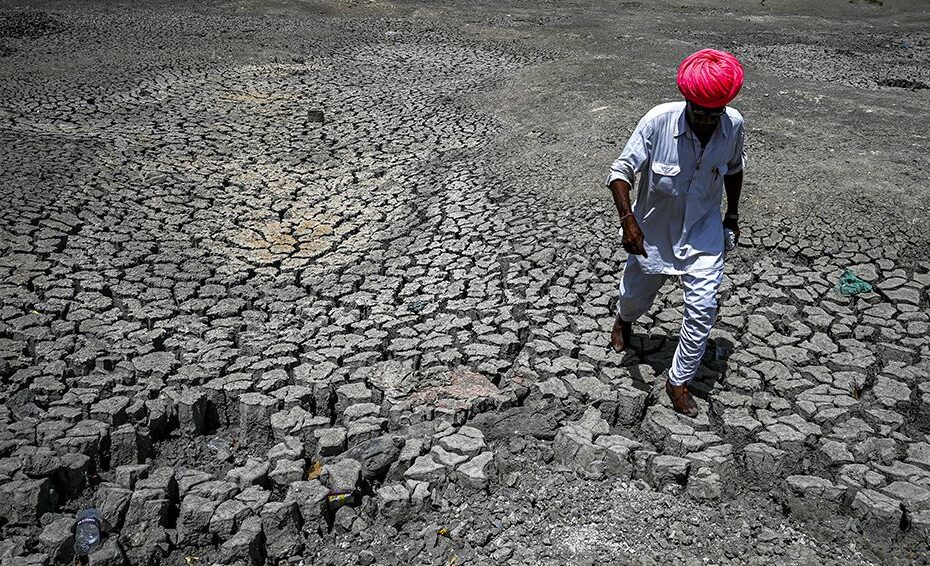
Longer hot spells now arrive earlier and last deeper into the night. States respond with larger cooling networks, faster alerts, and stronger health support. The aim is simple. Keep people safe when temperatures surge and humidity traps heat. Agencies also try to cut outages and crowding that can turn a hot day into a crisis.
What recent heat risks look like
Heat waves combine high temperature and humidity. The heat index estimates how hot it feels to the body. The wet-bulb temperature measures the limit of evaporative cooling; high values stress even healthy adults. Urban heat islands add several degrees after sunset. Nights that stay hot deny the body recovery time. That is when risk climbs for outdoor workers, older adults, infants, and those with chronic disease.
Cooling shelters grow and get smarter
States open more cooling centers in libraries, schools, and community halls. Hours extend into late evening and weekends. Sites now offer water, shade, charging points, and transit info. Many locations add quiet rooms and cots for short rest. Operators post clear signage in multiple languages. Mobile units reach informal settlements or remote towns. Data teams map usage to shift staff where lines form. Thus capacity follows need, not a fixed list of buildings.
Early alerts that reach more people
Meteorological and disaster agencies issue tiered heat alerts with plain language. Messages explain who is at risk, what to do, and where to go. Governments send push alerts by SMS and radio. Local TV and community leaders echo the same script. Some states link alerts to bus fare waivers for shelter trips. Others trigger work-rest guidance for outdoor crews. Simple thresholds reduce confusion and speed action.
Health systems on the front line
Clinics prepare for heat exhaustion and heatstroke. Staff refresh triage steps and stock oral rehydration salts and IV fluids. Ambulance dispatchers flag heat calls for rapid response. Public health teams call high-risk patients before peak days. Pharmacies place hydration and cooling supplies near the entrance. Hospitals review backup power and HVAC checks. These moves cut preventable deaths when temperatures spike.
Power water and transport under strain
High demand stresses the grid. Utilities schedule maintenance ahead of peak heat and stage repair crews. They run targeted load-management plans that avoid full blackouts. Water utilities secure backup pumps and protect reservoirs from algae bursts. Transport agencies shade platforms and keep spare buses for heat-related delays. Coordination across these sectors keeps shelters and hospitals fully usable.
What cities and employers can do now
Cities can cool streets with shade trees, reflective roofs, and misting at busy hubs. Construction sites manage dust and heat together. Employers rotate tasks, add shaded breaks, and ensure cool drinking water. Wearable sensors are optional, but simple check-ins work well. Schools adjust outdoor activities and share clear take-home advice. Landlords keep common rooms ventilated and post shelter locations.
Compliance and accountability improve outcomes
Rules help when they are enforceable and clear. Heat action plans set activation triggers, roles, and budgets. Workplace standards define safe work-rest cycles and hydration minima. Shelter operators log attendance and turn-away counts. Health departments publish episode summaries within days, not months. These facts allow quick fixes before the next hot spell.
Technology that actually helps
Low-cost sensors map neighborhood heat and humidity. Dashboards convert readings into simple actions: open more seats, extend hours, send buses. Call centers use scripts that guide residents step by step. Smart thermostats can pre-cool public buildings ahead of a surge. None of this replaces staff. It supports them with timely cues.
What to watch in the coming season
Three signals show whether plans work. First, shelter access: open hours, seats used, and average travel time. Second, health response: emergency visits for heat illness and on-scene treatment rates. Third, system resilience: grid stability, water supply uptime, and transit continuity. Public reporting builds trust and makes funding durable.
A clear path forward
States have moved from ad hoc cooling days to full heat action playbooks. The focus now is scale, speed, and equity. Keep centers open when nights stay hot. Push clear alerts in every language. Protect the most exposed workers and patients. With steady practice and basic metrics, heatwave preparedness can save lives all summer long.