
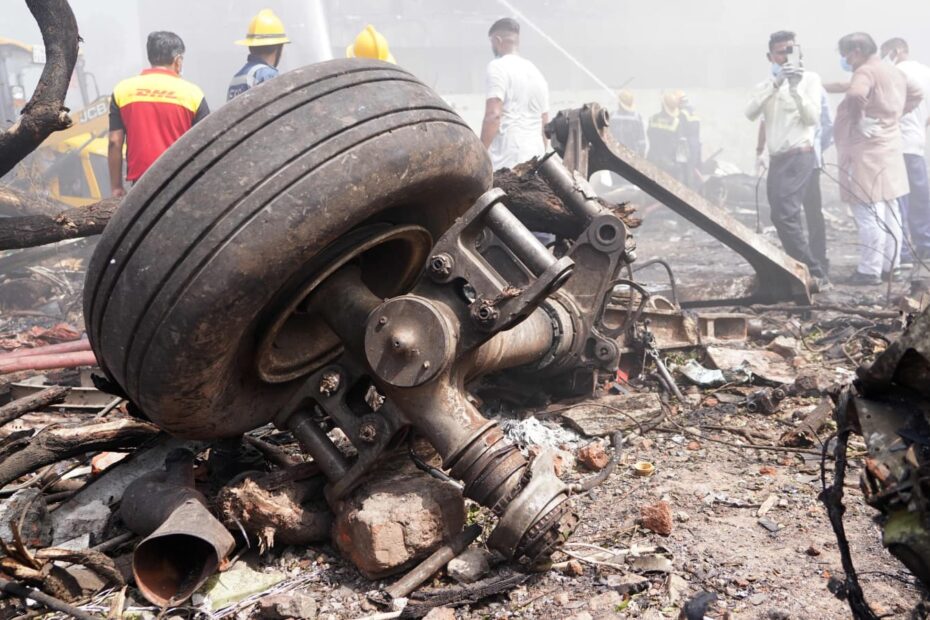
An Air India A350 experienced an engine issue during ground operations in Delhi. The airline isolated the aircraft and launched checks with the manufacturer and regulators. Some flights moved to different tails. A few services faced delays and rebooking. Safety procedures worked as designed. Operations continued with added caution while teams reviewed the affected engine.
What is confirmed so far
The event involved a single A350 airframe. The crew and ground staff followed standard safety steps. Engineers conducted preliminary inspections and secured the area. The airline paused the jet for maintenance review. Passengers on linked rotations received revised timings or new connections. No wider fleet grounding was announced. However, planners adjusted schedules to cover the missing capacity.
How an engine can sustain damage
Large turbofan engines contain a fan, compressors, a combustor, and turbines. Foreign object debris, known as FOD, is any loose material that can strike a fan or enter the intake. Even small debris can nick blades. Sensors or crew may detect unusual vibration or temperature readings. In such cases, teams shut the engine down and inspect blades, inlets, and casings. If needed, the airline removes the powerplant for a deeper shop visit.
What inspections usually include
Initial steps confirm that the nacelle and inlet are intact. Technicians check the fan blades, which are the large front blades that pull air into the engine. They also review borescope images of the core. Oil and metal particle checks help spot internal wear. If limits are exceeded, the operator replaces damaged parts or swaps the engine. Regulators oversee these steps and clear the aircraft only after compliance is complete.
Flight disruptions and how airlines respond
A parked widebody creates knock-on effects. Schedulers swap aircraft to protect long-haul departures first. Shorter sectors may face delays or consolidation. Crews also rotate to keep duty times legal. Passengers see three outcomes. Some fly on time on a different aircraft. Others depart later than planned. A third group moves to alternate flights or partner carriers. Communication and meal or hotel support depend on the length and cause of the delay.
What passengers should do now
Check the booking app and airline alerts. Confirm the flight number, departure time, and terminal. If the journey involves a connection, review minimum connection time. Keep boarding passes and receipts when costs arise during an extended delay. If you need special assistance, notify the airline early. Travel insurance may cover extra expenses; keep documentation ready.
Why an engine issue triggers strong safeguards
Aviation rules require conservative choices. Manufacturers publish strict criteria on blade damage, clearances, and vibrations. Airlines must follow these limits before an aircraft returns to service. Minimum equipment lists define what must work for dispatch. Any uncertainty pushes the aircraft back to maintenance. These layers are designed to protect crews and passengers without compromise.
What this means for the A350 fleet and schedules
One event does not define a type. The A350 remains a long-haul workhorse with modern safety systems. Even so, operators track every incident for patterns. Data from inspections flow to the manufacturer and regulators. If a trend ever appears, bulletins or service instructions follow. Meanwhile, schedule planners keep buffers and spare tails where possible. That reduces strain when an aircraft steps out for maintenance.
Signals to watch in the coming days
Look for four updates. First, the airline’s maintenance status on the affected jet. Second, any service bulletins from the engine maker that reference inspections or torque checks. Third, schedule changes on routes previously flown by that airframe. Fourth, regulator notes that confirm compliance steps. Converging signals suggest a routine return to service. New directives would imply deeper work.
The practical read for travelers and crews
Safety systems and procedures did their job. The aircraft stayed on the ground for checks. Teams prioritized orderly operations and clear communication. Some passengers faced delays, yet the approach limited risk and kept the network running. Once inspections and any repairs finish, the jet should rejoin service after formal clearance. Until then, travelers should watch for refreshed alerts and plan a little extra time at the airport.