
A private school in Indore, Madhya Pradesh, is facing allegations of religion-based segregation after it reportedly held separate annual functions for Hindu and Muslim students on different days. Muslim parents also claimed there were other discriminatory practices, including separate seating arrangements inside classrooms.
What parents say happened at the annual functions
According to accounts cited in the report, the school held one annual function on February 2 and another on February 3. Muslim parents said they were not informed in advance that the event they were attending was only for Muslim students, and realised it after reaching the venue.
One parent was quoted saying the Muslim-student function had limited staff presence and no chief guest, while the next day’s programme for Hindu students had full staff attendance and a chief guest.
The school’s explanation mentions Shab-e-Baraat
The school’s admission officer, Joy Joseph, said the annual function was split because Shab-e-Baraat was being observed on February 3. He said the school felt Muslim students might not be able to attend that day, so it organised a separate event for them on February 2.
He also said the school conducts the function every year on fixed dates and did not shift the schedule.
Shab-e-Baraat is a Muslim observance marked by many families with prayers and visits to graves, and it can affect attendance at public events.
Allegations go beyond the stage show
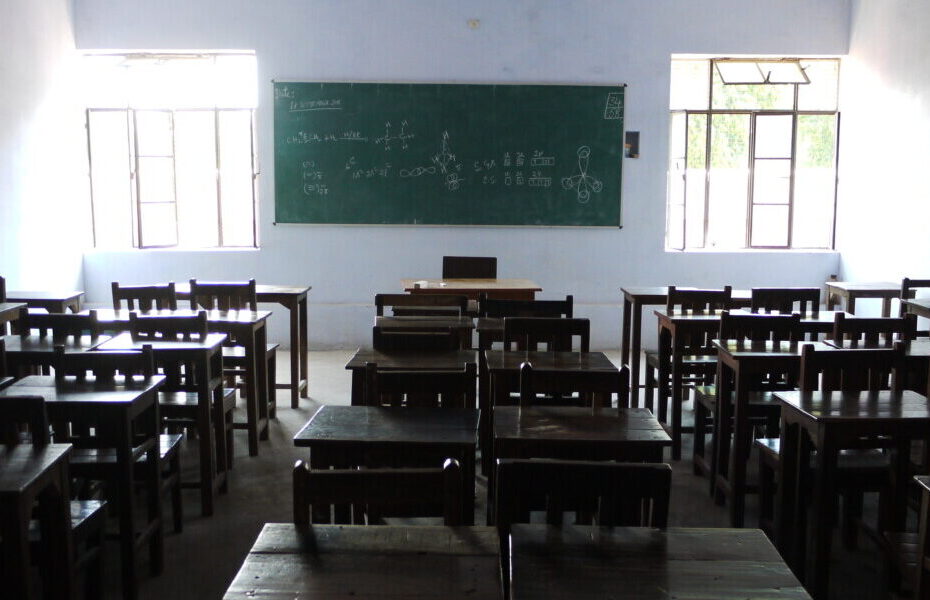
The controversy did not stop at the annual function dates. A local Congress corporator, Rubeena Khan, said she was told the school had also made separate seating arrangements for Muslim and Hindu students inside classrooms.
Parents and relatives also pointed to earlier episodes. One allegation cited was that a school magazine printed only first names for Muslim students while publishing full names for Hindu students, and that the format was changed after objections.
Why this matters in a school setting
Schools are expected to be shared civic spaces where children learn together, regardless of religion. That is why allegations of separation draw immediate scrutiny, even when a school argues it was acting for logistical reasons.
The dispute now hinges on two competing claims: whether the split events were a practical accommodation for a religious observance, or part of a wider pattern of segregation alleged by parents.
For families, the immediate concern is trust. For the school, the test will be whether it can address the allegations clearly and show that students are treated equally in classrooms and at major school events.