
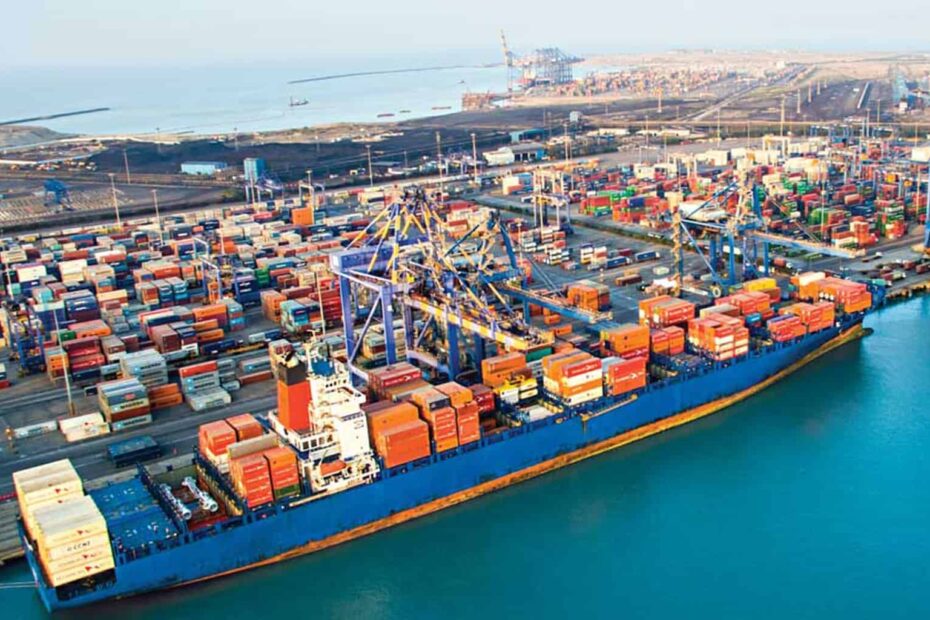
A softer world economy is coming into view. The IMF pegs global growth at 3.3% in 2026 and 3.2% in 2027, little changed from 2025, but with uneven momentum across regions. The World Bank also flags a cooling in trade volumes as one-off front-loading fades. India still enters FY2026–27 with one of the fastest growth tracks among major economies, yet external headwinds will test that pace.
The global backdrop is slowing, not stalling
Headline numbers look steady, but composition matters. The IMF’s update highlights resilience alongside “divergent forces,” while the World Bank notes that goods trade should decelerate after 2025’s pre-tariff surge. For India, slower partner demand in Europe and parts of Asia can cap export gains even if domestic investment stays strong. (A “trade deceleration” means volumes grow, but more slowly than before.)
India’s baseline is strong—but sensitive to shocks
New Delhi’s Economic Survey 2025–26 says medium-term potential has strengthened near 7%. Independent trackers see FY2026–27 growth in the 6.8–7.2% zone, with recent upgrades from multilaterals. That cushion helps, however the same reports warn that trade frictions and policy uncertainty abroad could trim momentum.
Trade: weaker external demand narrows the upside
OECD projections suggest global trade uncertainty will weigh on investment and export recovery into 2026. India’s engineering goods, textiles, and chemicals rely on Western demand cycles; any European softness or delayed inventory restocking slows orders. Firms should diversify markets and lean on logistics upgrades at home to defend volumes.
Finance: tighter global conditions can bite
If risk sentiment sours, capital flows to emerging markets can ebb and funding costs rise. The World Bank cautions that longer-run growth has downshifted, with bouts of tighter financial conditions possible. For India, higher global rates or a firm dollar would raise external borrowing costs and keep local bond yields sticky. (A “basis point” equals one-hundredth of a percentage point.)
Energy: price swings filter into inflation and the current account
The IMF expects inflation to keep easing worldwide, helped by softer energy. That would support India’s real incomes and import bill. But geopolitical shocks can still lift crude and freight costs, widening the current account deficit—India’s scorecard of trade in goods, services, and income with the world. Sensible inventory and diversified sourcing reduce exposure.
What could offset the drag
Two levers stand out. First, domestic capex and supply-chain shifts: India’s investment cycle and “friend-shoring” inflows can anchor growth even if exports slow. Second, reform momentum: clearer rules and faster clearances would attract longer-term capital. The OECD and multilateral outlooks imply that steady reforms help economies outgrow a tepid world.
Policy watch: buffers that matter in 2026
Macro buffers will shape outcomes. The Economic Survey stresses room from stronger potential growth; the IMF and World Bank underline the value of credible fiscal paths and nimble monetary policy. Priorities now: keep inflation expectations anchored, smooth bond supply to contain term premia, and deepen trade ties to diversify demand. India’s recent forecast upgrades show the upside if execution holds.
In short, the world economy looks cooler, not cold. India retains a growth premium, but faces real external tests through trade, finance, and energy channels. With stable macro policy and targeted reforms, the drag from a global slowdown can be managed—turning volatility into a nudge rather than a hit.