
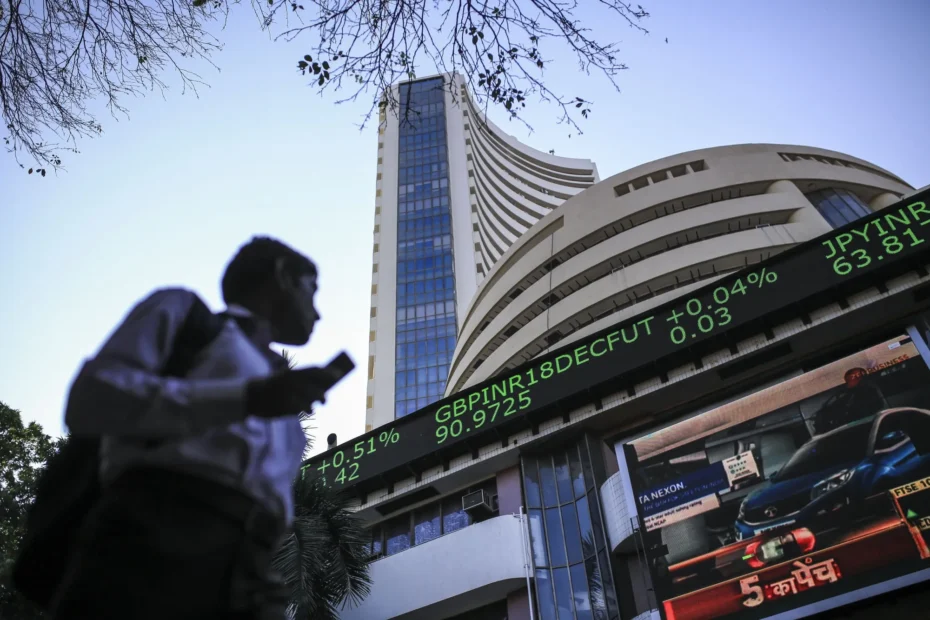
Indian equities bounced after a bruising Budget day slide. The Nifty 50 rose about 1.1% and the Sensex gained roughly 1.2% on Monday, recouping part of Sunday’s drop. Reliance, infrastructure names and capital-goods stocks led advances. Fourteen of sixteen major sectors finished higher. Even so, traders warned that a shaky rupee and firmer bond yields could cap upside in the near term.
A sharp rebound, then caution
Sunday’s special session saw the steepest Budget-day fall in six years, driven by surprise tax and borrowing signals. On Monday, dip-buyers returned and heavyweight stocks steadied the tape. The rally eased nerves, but positioning stayed tight ahead of the RBI policy week and a heavy government borrowing calendar.
What drove the bounce
Analysts called the Budget-day sell-off an overreaction to higher securities transaction tax (STT) on derivatives and larger-than-hoped gross borrowing. Monday’s recovery reflected bargain hunting in capex beneficiaries and oil-to-telecom leaders. Meanwhile, clarity that infrastructure outlays remain strong helped sentiment in rail, roads and construction supply chains.
Volatility triggers to watch
Two levers now dominate risk: the rupee and the 10-year bond yield. The rupee bounced to ~91.51 per dollar after likely RBI dollar sales and FX swaps. Bond yields, however, pushed to about 6.77%, near one-year highs. A firm yield raises discount rates for equities and can pressure lenders’ valuations. If currency support forces the RBI to drain rupee liquidity, equities may face tighter financial conditions.
Rupee and bonds set the tone
The currency sits near record lows after a weak January marked by foreign outflows. The RBI’s recent playbook—spot dollar sales plus swap operations—has calmed intraday swings, but cannot rewrite the supply story in bonds. Markets are bracing for a ₹17.2 trillion gross borrowing year, a clear headwind for duration. In plain terms, a “basis point” equals one-hundredth of a percentage point; small moves add up fast for government interest costs.
Taxes, microstructure, and why STT matters
The Budget proposes higher STT on futures and options trades. That raises transaction frictions for active traders and could dampen volumes on volatile days. Lower liquidity can widen bid-ask spreads, making swings sharper. STT is a levy charged per trade; when rates rise, high-frequency strategies often pull back.
Playbook for investors
Near term, watch three signals. First, the weekly auction calendar and demand at longer tenors. Second, foreign flow trends as global risk appetite shifts. Third, the RBI’s liquidity stance, including any bond-buying or swap guidance. If auctions clear smoothly and the rupee holds recent gains, the rally can broaden. If yields push above recent peaks or the currency retests lows, volatility will likely return.
In short, the Budget sparked a whipsaw: a sharp sell-off, then a measured rebound. The path from here hinges on funding costs and currency stability. Until those settle, India’s stock rally comes with a volatility warning label.