
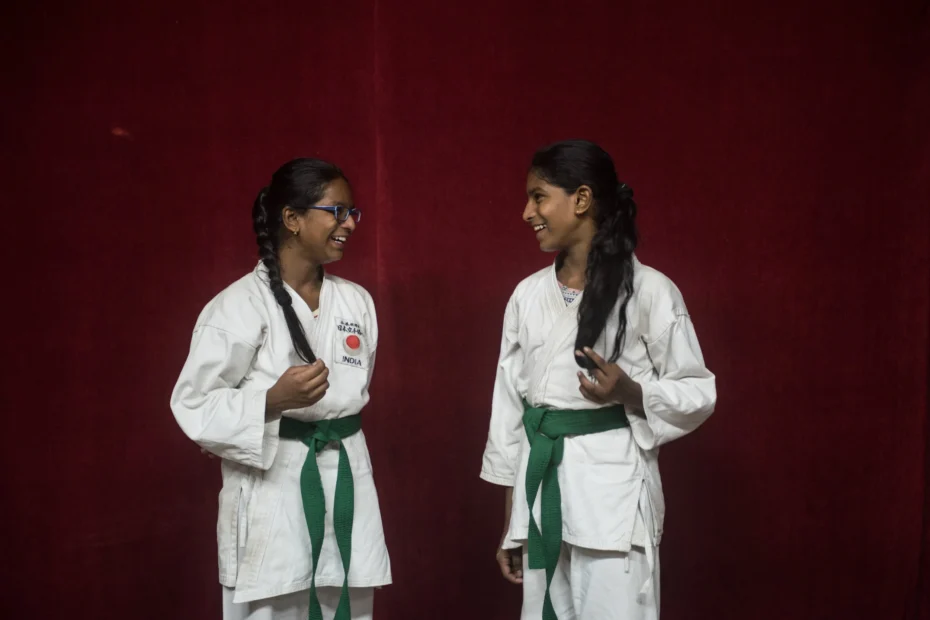
Maharashtra has kicked off a large self-defence and martial arts initiative for schoolgirls. The state plans to train learners in more than 21,000 schools, starting in early February 2026 and running through the year. Officials say the plan is part of a broader “Nation First” campaign that blends skills training, civic lessons, and health tracking.
What the program includes
The curriculum covers Taekwondo, Karate, Judo, kickboxing, and Krav Maga. Yoga and basic fitness sit alongside discipline drills. The state will deploy about 10,000 veterans and experts, including trainers linked to the National Cadet Corps (NCC) and Scouts and Guides. One goal is to improve situational awareness and confidence for girls in middle and secondary grades. A veteran is a retired member of the armed forces; many will supervise drills and safety protocols.
Who is driving it—and why now
School Education Minister Dada Bhuse announced the roll-out last week and confirmed a February 1 start. The state tied the launch to the birth centenary year of late leader Balasaheb Thackeray. Officials frame the effort as empowerment first, with a civic-values layer. The timing also aligns with national pushes on girls’ safety and access to education.
Numbers, schedule, and where training happens
Media briefings and state notices point to coverage in “over 21,000” schools statewide. Trial phases began in mid-January in some districts and extend to March for the first cycle, with a timetable to follow for the year-long plan. Sessions will run on campus under physical-education periods, with periodic evaluations and health cards for participants.
Maharashtra martial arts push: links to national policy
The design echoes the Centre’s self-defence modules under Samagra Shiksha’s RAKSHA guidelines. That scheme funds three months of training for classes VI–XII and teaches girls to use everyday objects as improvised self-defence tools. Maharashtra’s plan scales this approach across government schools and adds specialist martial arts and parade drills.
Safety, skills, and scrutiny
Supporters argue that self-defence builds resilience and can deter harassment. Educators welcome structured PE time and certified coaches. Critics, however, question “military-style” elements for younger students and seek clear guardrails on age-appropriate content. The education department says content will be graded by age and delivered by trained personnel. Clear consent norms and monitoring will matter as the program expands.
Budgets, facilities, and the bigger picture
The launch arrives as the Union Budget spotlights girl-child infrastructure, including a girls’ hostel in every district. Better hostels improve access, while martial arts training targets safety and confidence on campus. Taken together, these measures aim to raise participation and retention for adolescent girls.
What to watch next
Look for three signals. First, the detailed school-wise timetable and trainer rosters for term-time delivery. Second, data on attendance, injuries, and belt-level progress, which will show whether modules work at scale. Third, feedback from parents and school management committees, especially in rural blocks where facilities vary. As these pieces land, the plan’s true reach—and its durability beyond 2026—will come into focus.
In sum, Maharashtra’s martial arts drive is ambitious in scope and clear in purpose: safer, more confident schoolgirls with practical skills. Its success will hinge on trained coaches, age-sensitive content, and steady reporting on outcomes across thousands of campuses.