
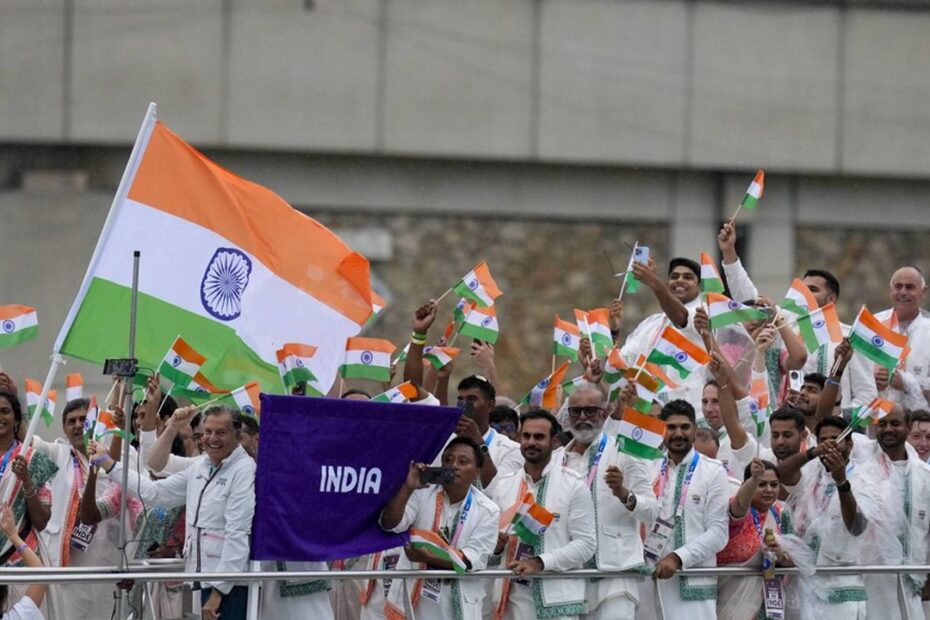
India enters the qualifying season with momentum and higher expectations. Spots will come through three gates. Some athletes must meet entry standards. Others need world ranking points. A few teams must win decisive qualifiers against regional rivals. The race is tight. Preparation and clear selection policies will decide who boards the flight to the Games.
India Olympic roadmap at a glance
Qualification systems differ by sport. An entry standard is a performance mark that grants direct eligibility once achieved within a set window. World rankings reward consistent results across approved events. A quota place is a slot earned for a country, not always tied to a specific athlete. National federations then hold trials or use points tables to assign those quotas. Transparent rules reduce disputes when margins are small.
Athletics chase standards and rankings
Track and field splits its path. Some athletes will aim to hit the automatic mark in sanctioned meets. Others will climb the World Athletics ranking, which values results and meet quality. Relay teams need top times plus clean baton work at key meets. Selection committees often weigh head-to-head results from the last few months. Health and consistency matter as much as a single peak day.
Racket sports set the stage for tight calls
Badminton and tennis lean on rolling rankings. Players must schedule smart and defend points while avoiding injury. Doubles pairs need chemistry and enough tournaments together to bank results. Table tennis adds national trials in several countries to break ties when rankings sit close. Coaches will watch left-right pairings and match-up records before confirming final names.
Combat sports trials intensify
Wrestling, boxing, and judo feature continental qualifiers and final world events. Repechage gives certain losers a second chance to fight for bronze or for quota pathways in some formats. Domestic trials settle weight-class debates when two contenders are close. Medical clearance and safe weight management are non-negotiable. One cut too many can end a season.
Shooting targets quotas then form checks
Shooting collects quota places through world cups and championships. Quotas belong to the country. Final selection usually adds MQS—a minimum qualifying score in a specified period—and recent form. Mixed team events bring tactical choices. Selectors may back the most reliable pairing even if an individual ranking sits higher on paper.
Team sports face high-stakes qualifiers
Hockey, football, and volleyball chase limited berths through continental routes and last-chance tournaments. Goal difference, cards, and set pieces often decide close ties. Squads must manage travel and recovery with care. Coaches may rotate line-ups to keep leaders fresh for knockout games. Penalty routines get extra time on the training sheet.
Endurance sports weigh course and climate
Cycling, marathon, and race walk require smart race selection. Points come faster at deeper fields, yet hard courses can punish form. Heat, humidity, and altitude shape pacing plans. Support teams will test nutrition and footwear in conditions that mirror the Games. One bad bottle hand-off can cost a season’s ranking push.
Gymnastics and weightlifting balance difficulty and risk
Gymnastics rewards difficulty only when execution stays clean. All-around candidates need stable routines across apparatus. Specialists must prove medal value on one or two pieces. Weightlifting depends on category slots and anti-doping compliance. Coaches choose attempts to secure a total first, then chase rankings with careful jumps.
Selection transparency and athlete welfare
Clear criteria prevent last-minute confusion. Federations should publish tie-break rules, injury replacement plans, and trial dates well in advance. Independent panels and video review help when protests arise. Athlete health sits at the core. Travel loads, recovery windows, and heat plans deserve as much attention as tactics.
What to watch this season
Three signals will shape India’s final list. First, standards hit and quotas won at continental and world events. Second, ranking moves from consistent top-eight finishes rather than one-off peaks. Third, domestic trials that confirm depth while keeping veterans fresh. If India converts these chances with clean governance and sharp scheduling, the team will arrive ready for the biggest stage.