
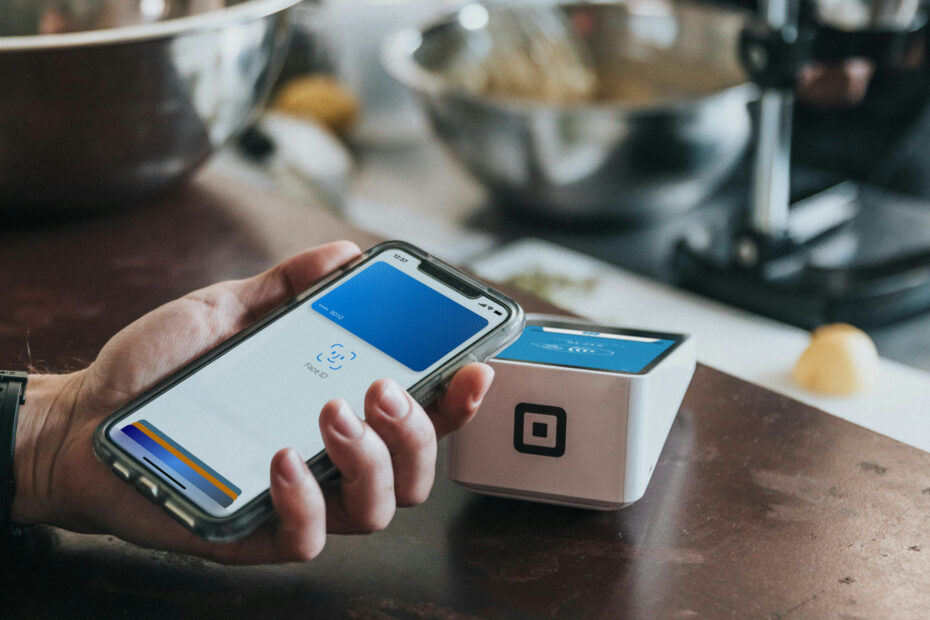
Banks and payment apps are tightening defenses against fraud. The goal is simple. Keep instant transfers fast while blocking scams. New controls target account takeovers, social engineering, and mule networks. Users will see clearer prompts, smarter alerts, and fewer false approvals.
Why fraud risk is rising
Digital volume keeps growing. More first-time users join each month. Scammers follow the traffic. They spoof help lines, clone QR codes, and trick people into sharing one-time passwords. Real-time payments leave little time to reverse a transfer. Strong guardrails must sit in front of each tap.
What banks are deploying now
Teams are layering controls instead of relying on one check. They blend device signals, behavior data, and merchant risk. Flows now block high-risk actions by default. Low-risk payments still clear in seconds. This approach limits friction and improves trust.
UPI security measures users will notice
UPI is India’s instant bank-to-bank payment system. Apps will ask for extra steps only when risk is high. Users may see new banners for unknown payees. They may face a brief hold on the first transfer to a fresh contact. Limits can tighten at night or after SIM changes. Quiet defaults work in the background; visible nudges appear only when needed.
How platforms detect suspicious activity
Risk engines score each payment in real time. They check device ID, IP reputation, location, and typing speed. Sudden changes trigger caution. Device binding links an account to a verified phone and SIM. Behavioral biometrics look for unusual swipes or rhythm. Graph analytics flag mule clusters and fast-moving loops. When scores cross a threshold, the app slows or stops the flow.
Stronger authentication without extra friction
RBA—risk-based authentication—adds proof only when a payment looks unsafe. A small transfer to a known biller sails through. A large first-time payout may require a second factor. OTP is a one-time code sent to confirm identity. Banks now add in-app approvals that avoid SMS hijack. Number masking hides account details during support calls. Tokenization replaces card numbers or identifiers with random tokens to reduce exposure.
Protecting small merchants and wallets
QR codes remain simple and popular. Apps check if a QR has been tampered with or redirects to a risky handle. Merchants get dashboards with dispute tips and chargeback timelines. Payouts to new business accounts can face cooling-off periods. Geofencing locks terminals to set zones. Wallet top-ups may need stronger checks when patterns look unusual.
Smarter alerts and clearer consent
Good alerts are short and specific. Users now see the payee name, last digits, and reason for a hold. Warnings call out common scams in plain language. Consent screens highlight irreversible steps. Undo links appear for standing mandates and auto-debits. A single tap opens fraud reporting within the app.
What to do if you are targeted
Stop the session. Do not share PINs or OTPs, even with “support” agents. Use the in-app fraud button to freeze outgoing payments. Call your bank on the number printed on your card or statement. File a complaint with the reference the app provides. Save screenshots and SMS logs. Quick action improves recovery odds.
How regulators and networks support the push
Networks set shared rules for limits, holds, and dispute clocks. Banks report patterns to a common fraud registry. That helps block repeat offenders. Playbooks define who contacts customers and when. Public advisories keep pressure on clone apps and fake helplines.
Signals to watch in the months ahead
Track three sets of numbers. First, first-time-to-payee holds and their release rate. Second, fraud attempts blocked at authentication versus after payment. Third, dispute resolution time and recovery rate. If these improve together, defenses work without slowing honest users.
The path forward
UPI thrives on speed and trust. The new stack protects both. Layered checks catch risk early. Clear consent screens help people spot traps. Fast in-app reporting closes the loop. With steady tuning and shared data, digital payments can stay seamless while fraudsters find fewer gaps to exploit.