
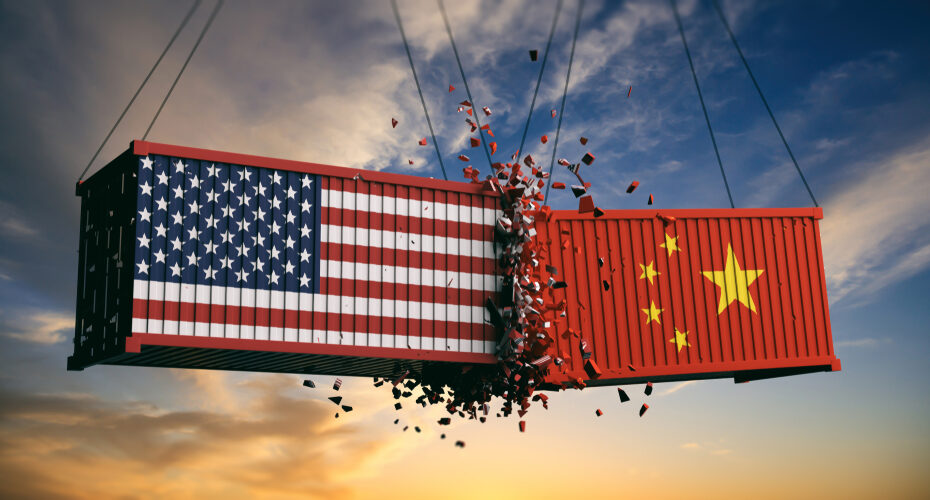
Washington and Beijing continue to harden their tech boundaries. New rounds of restrictions often touch chips, AI tools, cloud access, and advanced manufacturing gear. Indian exporters and startups sit close to these flows. They sell to global primes. They buy inputs from Asian hubs. They raise capital from cross-border funds. Shifts in rules now shape product roadmaps, sourcing, and fundraising across India’s tech stack.
US China tech curbs and India’s exposure
Export controls are laws that limit what technologies can leave a country. The Entity List names firms that require special licences to receive controlled goods. De minimis rules decide whether US content inside a foreign product triggers US oversight. When authorities expand these tools, compliance risk moves upstream. Indian firms that build AI models, make chip tools, or sell cloud services may need licence checks even when they never ship to the US or China directly. Distributors and resellers face the same pressure, since routing through third countries no longer shields a transaction.
Where Indian exporters could feel pressure first
Electronics and semiconductor supply chains rely on US IP, EDA software, precision components, and design cores. Tighter rules can delay deliveries or require licence screening for specific SKUs. Lead times stretch. Working capital needs rise. Contract manufacturers that assemble boards for global clients must certify end use more often. Cloud and AI service providers may need to verify who trains what, on which chips, and for which customers. Dual-use items—civilian goods with military applications—draw extra scrutiny. A single red flag can slow an entire contract cycle.
Windows of opportunity for startups
Constraints also create white spaces. Global buyers now want vendors with clean compliance pipelines. Indian startups can win by offering traceable supply, audit-ready code, and data-residency choices. Design-for-compliance becomes a product feature. Open-standard hardware, RISC-V design services, chip verification, and packaging solutions gain appeal. So do security tools that log model training, dataset lineage, and API access. Local cloud and AI companies can position sovereign or regional stacks for sensitive workloads. Trusted alternatives fetch premium pricing when risk is high.
Capital and governance still matter
Foreign investment rules can shape cap tables. CFIUS reviews in the United States and similar regimes elsewhere examine deals that may affect national security. Founders should map ownership chains and voting rights early. Clean governance reduces delays at exit. Venture funds now ask for compliance memos at seed stage, not only at Series B. Boards expect export-control training for sales and channel partners. These steps cost money, but they also protect valuation.
A practical checklist for exporters
First, classify products. Use HS codes and any relevant control numbers to see if items fall under chip, AI, telecom, or advanced-manufacturing controls. Second, map your bill of materials. Identify US-origin software, IP blocks, and firmware. Third, screen counterparties and end users. Refresh checks before every shipment, not just once a year. Fourth, record end use. Keep documentary trails for audits. Fifth, draft a stop-sale policy and empower your compliance lead to trigger it. Clear thresholds beat ad hoc decisions during a deadline.
A practical checklist for startups
Design with clarity. Build features that prove where data sits, who accessed it, and which models or accelerators ran the job. Offer configuration options that avoid restricted chips when needed. Prepare “clean room” versions of products that rely on open components. Keep export-ready documentation for your binaries and models. Train the sales team to handle red-flag questions. Finally, set a cadence for horizon scans so you can switch parts or suppliers without pausing releases.
Supply chain adjustments that work now
Near-shoring and friend-shoring can reduce friction. Firms move final assembly or testing to locations that simplify licences while keeping quality steady. Multi-sourcing trims dependency on a single fab, OSAT, or cloud region. Contract terms need updates as well. Incoterms, which define who pays and manages each leg of a shipment, should reflect new screening duties. Service-level agreements can add compliance KPIs such as average licence-review time or pass rates on end-use checks. Insurance riders may cover regulatory interruption alongside customary cargo risks.
Product strategy in an era of controls
Roadmaps should rank features by compliance complexity. If a module depends on a restricted accelerator, build a fallback path that runs on general-purpose hardware, even at lower performance. Keep modular code so you can swap libraries without a full rewrite. For AI firms, track compute intensity and training data sources. Document model cards and evaluation logs. These habits help with customers and regulators alike. They also speed integration with partners that run strict audits.
Signals to watch in the months ahead
Three sets of indicators guide planning. Watch policy notices from major jurisdictions, especially updates on chips, AI services, and cloud. Monitor supplier advisories about software licensing, IP blocks, and firmware updates. Track logistics markers—lead times for critical components, export-licence approval cycles, and the rate of order reschedules by customers. Early movement in any of these series hints at tightening or relief. Teams that respond quickly secure capacity, keep revenue on track, and reduce churn.
What this means for India’s tech ecosystem
The rules raise costs for some exporters, yet they also reward trusted builders. Companies that invest in classification, clean design, and partner screening will face fewer surprises. Startups that ship audit-ready products can sell beyond India with confidence. Investors gain comfort when governance and documentation look strong. In short, US-China tech curbs add friction, but they also create demand for resilient, compliant, and sovereign-ready solutions built in India. The firms that adapt early turn compliance into a competitive edge.