
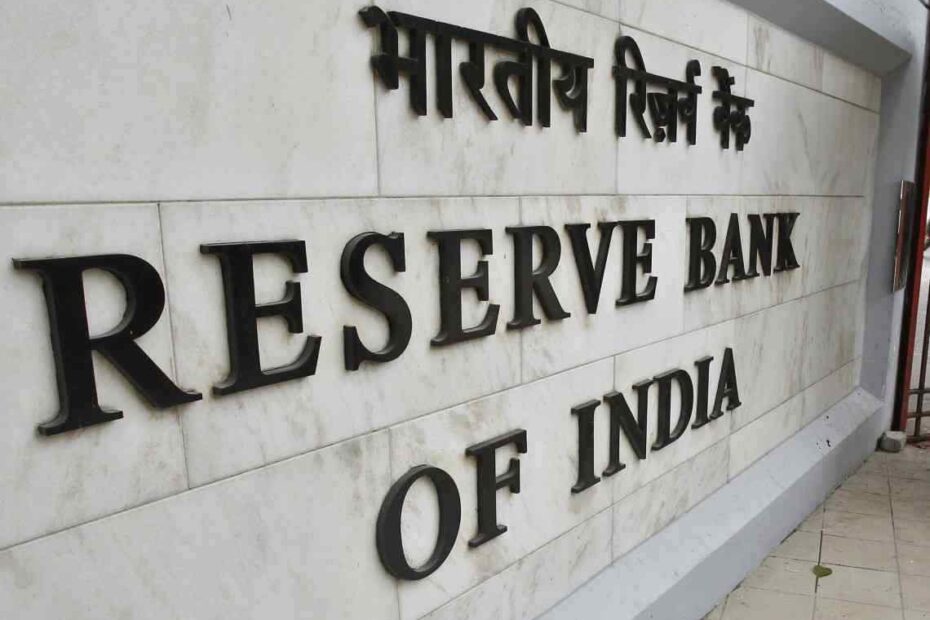
The Reserve Bank of India’s Monetary Policy Committee cut the repo rate to 5.25% in its December 3–5 meeting and kept a neutral stance. The repo rate is the benchmark rate at which RBI lends to banks. The move followed a sharp fall in inflation and steady growth. It also came with steps to inject liquidity. Together, these signals shape the path for borrowing costs, prices, and activity in early 2026.
What changed in the RBI decision
The MPC voted unanimously to cut the repo rate by 25 bps to 5.25%. It retained a neutral stance. RBI also announced open-market purchases of ₹1 lakh crore and a three-year USD/INR buy-sell swap of USD 5 billion to support durable liquidity. A neutral stance means the central bank is not pre-committing to either more cuts or hikes. Policy moves will depend on incoming data.
Loan EMIs: what households and firms should expect
Lower policy rates reduce funding costs for banks over time. Transmission is the process by which rate cuts pass through to lending rates. It works with a lag. Banks have already eased short-term market rates in line with policy. Expect gradual relief for floating-rate home and MSME loans as transmission deepens. Fixed-rate loans change only when lenders reprice offers. Watch external benchmark-linked loans first; they tend to move faster after policy actions.
Inflation outlook after the cut
Headline CPI rose to 1.33% year-on-year in December 2025, from 0.71% in November. This is still far below RBI’s 4% target and gives room to support growth. Core pressures remain modest. However, food prices can turn quickly. RBI trimmed its FY26 inflation projection and flagged a benign path into mid-2026. Markets will also parse the new CPI series due in early 2026, which could shift readings.
Growth signals and why they matter
RBI raised its FY26 real GDP forecast to 7.3% on improving domestic demand and healthier balance sheets. External agencies also see strong momentum near 7–7.4%. Robust growth with low inflation is rare. It allows monetary policy to ease without risking stability. Stronger credit demand, better capacity use, and resilient services support this view.
RBI policy and liquidity: reading the fine print
System liquidity has turned comfortable. RBI is using open-market operations and FX swaps to add durable liquidity while keeping money-market rates near the repo rate. The Standing Deposit Facility (5.00%) and Marginal Standing Facility (5.50%) create a corridor around the repo. This framework helps anchor short-term rates and smooth transmission to bank lending.
Will the next meeting bring more cuts?
Economists are split. Some expect a pause to study the new CPI base and fresh data. Others see room for one more small cut if inflation stays near 2%. Early guidance suggests RBI will stay data-dependent into February 2026. For borrowers, that argues for caution: avoid stretching tenors, and prefer prepayments if income allows. For savers, shorter-tenor deposits reduce reinvestment risk in a drifting-lower rate cycle.
What this means for you now
Home and MSME borrowers on floating rates should review spreads and reset dates. Ask your bank about transmission to your benchmark. New borrowers may see slightly lower offers, but credit policy will stay prudent. Savers should ladder deposits and consider high-quality debt funds with limited duration risk. For firms, lower short-term rates ease working-capital costs and support investment planning, provided demand holds. The policy mix—low inflation, adequate liquidity, and stable guidance—keeps India’s recovery on track into 2026.