
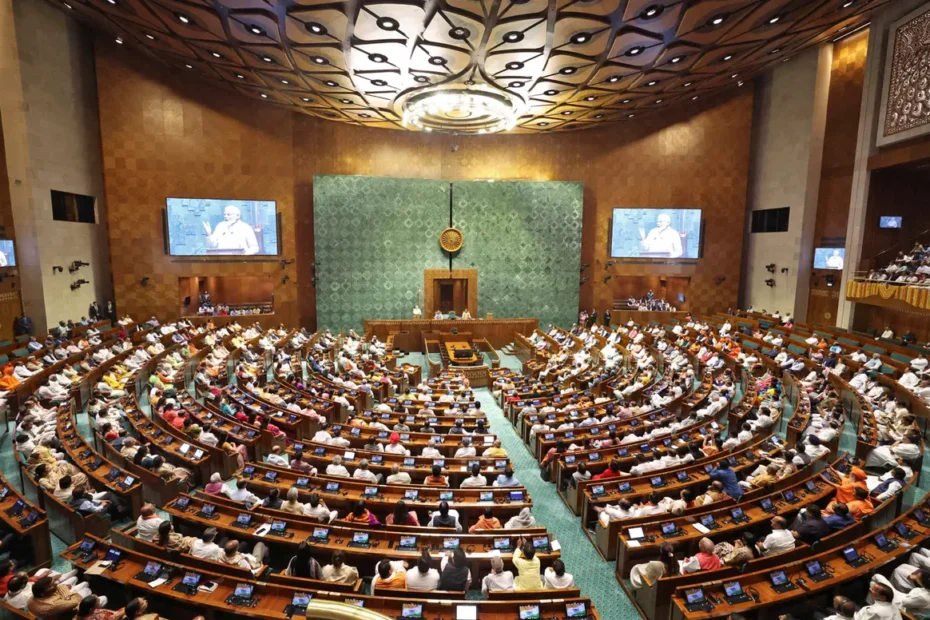
The first days of a new session decide its pace. The Lok Sabha Speaker, supported by several committees, turns political priorities into a working timetable. This machinery allocates time, sets rules on conduct, and routes bills and budgets to the right panels. With these levers in place, Parliament can debate, legislate, and scrutinise spending with clarity.
Lok Sabha Speaker: powers that shape the floor
The Speaker presides over the House and guards its rules. They admit motions, call listed business, and decide on points of order. They also select the Panel of Chairpersons to run sittings when needed. Crucially, the Speaker refers bills to committees, allows short-duration discussions, and rules on the admissibility of questions and adjournment motions. These choices influence which issues reach prime time and which matters move through technical scrutiny.
Lok Sabha Speaker and session planning
Soon after a session opens, the Speaker consults floor leaders and sets the path for government business, private members’ time, and questions. The agenda must balance urgency with oversight. Therefore, the Speaker leans on the Business Advisory Committee for agreed time blocks, while keeping space for statements, calling attention notices, and debates sparked by current events. Clear listing, steady enforcement of speaking limits, and quick rulings help the House stay on schedule.
Business Advisory Committee: the clockmaker
The Business Advisory Committee (BAC) converts political negotiation into minutes on the clock. It allots hours for bills and major debates, and it can recommend structured discussions with fixed speaking slots. After the BAC agrees on a schedule, the Speaker announces it. Whips then brief their benches, and ministries line up sponsoring speakers. When disruptions occur, the BAC helps rebuild consensus so listed business does not drift.
Financial watchdogs: PAC, Estimates and COPU
Three election-based committees track how public money is planned and spent. The Public Accounts Committee (PAC) studies audit findings and summons departments to explain lapses. The Estimates Committee examines whether spending plans deliver value and suggests reforms. The Committee on Public Undertakings (COPU) reviews the performance of state-owned companies. These panels work throughout the year, often even when the House is not sitting, and their reports feed later debates on demands for grants.
Department-related Standing Committees: bill exam rooms
Department-related Standing Committees provide subject expertise. When the Speaker refers a bill, the relevant panel seeks views from ministries, regulators, civil society, and industry. It can suggest redrafting clauses, tightening definitions, or adding safeguards. During budget season, the same panels examine Demands for Grants and submit action-focused reports. This process reduces last-minute floor firefights and improves the technical quality of laws.
Rules, Ethics and Privileges: order, conduct and rights
The Rules Committee advises on changes to procedures so the House keeps pace with new practices, including digital circulation of agenda papers and e-Notices. The Ethics Committee examines conduct of members and recommends corrective steps. The Committee of Privileges looks into alleged breaches that impede a member’s ability to perform their duties. Together, they maintain order while protecting the rights of both the majority and the opposition.
Private Members’ Business, Questions and Petitions
Private Members’ Bills and Resolutions give non-minister MPs space to propose ideas and test consensus. Question Hour and Zero Hour keep executive accountability in daily view; ministries prepare answers and follow-up action. The Committee on Petitions channels citizen inputs to the House, ensuring that grievances and suggestions can enter the parliamentary record. These routes make space for local issues alongside national bills.
How this session’s workflow is locked in
Once the President’s Address and the Budget or priority legislation are listed, the Speaker and BAC fix debate windows. Bills move to committees with clear reporting deadlines. Financial committees sync their examination calendars with the budget timetable. Meanwhile, the Secretariat supports members with research notes, draft lists, and digital access to papers. If disruptions arise, the Speaker can reorder business, extend hours, or convene leaders to reset agreement.
Why it matters
Procedural strength decides legislative outcomes. When the Speaker and committees set tight schedules, route bills for expert scrutiny, and enforce speaking limits, debates become sharper and votes arrive on time. Ministries receive clear legislative pathways, and the public gets predictable accountability moments. In short, a well-run session turns competing priorities into measurable work: laws vetted in committee rooms, debates with defined goals, and spending examined line by line.